
Psychology is a constraint, not a layer on top.
Most studios optimize for mobile. We optimize for the cognitive stage of the child holding the device. That distinction shapes every sprint from the first ticket.
Attention, memory, and navigation change month to month.
We don't group children into broad brackets. We map the cognitive shifts that happen between ages and write them into the interaction layer before a line of UI code is committed.
When a tap requires explanation, the fault is in the design spec, not in the child. We treat that principle as a hard pass/fail criterion on every review.
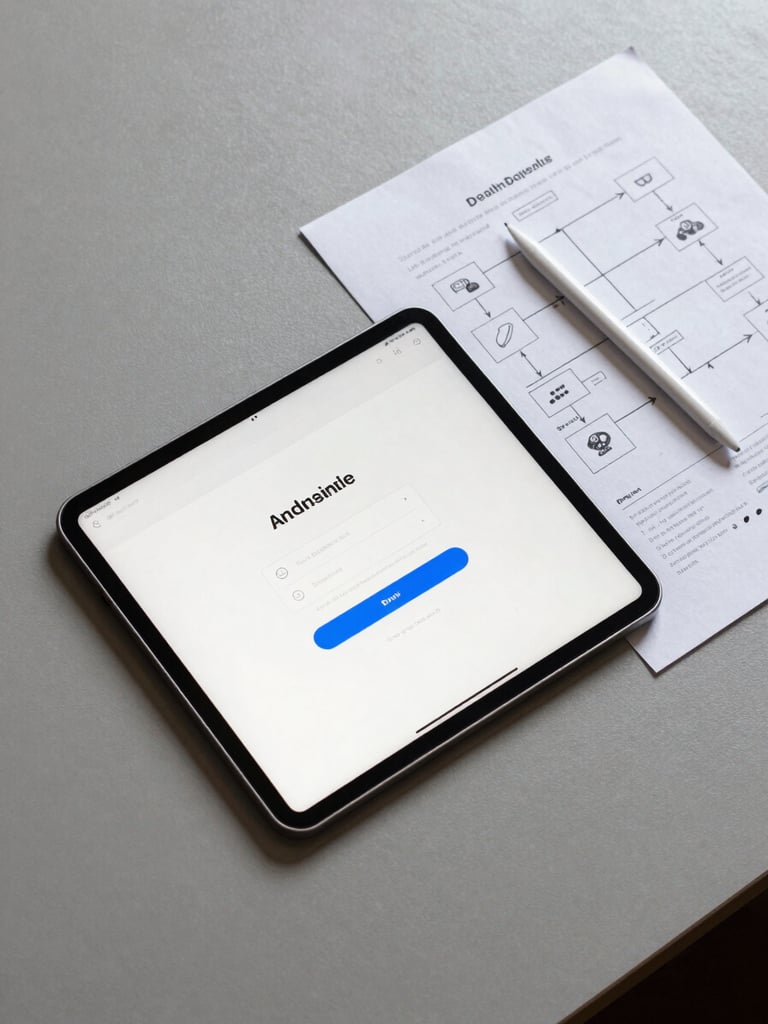

Stage-specific UX, from the first sprint.
Before any screen is designed, we define the cognitive profile for the target age band: working memory limits, motor precision, reading fluency, and attention arc.
Those parameters become non-negotiable acceptance criteria. If an interaction pattern fails the developmental model, it fails the sprint review — regardless of how polished it looks.
If your project involves young users, the brief matters.
We work with educators, EdTech product leads, and institutions who need Android apps built around how children at specific ages actually process information. Tell us who your users are.